


Winter Fuel Tank Failure in School Bus Fleets Often Surfaces Late in the Season
- Feb 16
- 2 min read
Updated: Feb 18
Winter Fuel Tank Failure in School Bus Fleets Often Surfaces Late in the Season
Winter fuel tank failure rarely begins in February. It develops gradually after months of salt exposure, temperature swings, vibration, and repeated cold starts. By late winter, school bus maintenance teams often discover that small mounting or corrosion issues have progressed beyond cosmetic wear.

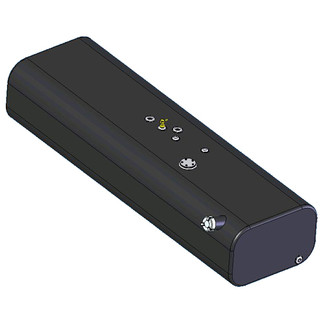




The stress is cumulative. Road salt accelerates corrosion at seam lines and strap contact points. Overnight condensation increases moisture exposure inside and outside the tank. Repeated contraction and expansion cycles tighten mounting tolerances.
When reviewing Fuel Tanks, late winter is when borderline components begin showing structural fatigue.
Why Winter Fuel Tank Failure Develops Over Time
Winter fuel tank failure is typically linked to mounting integrity and corrosion progression rather than sudden rupture.
If mounting straps loosen or hardware corrodes, even slightly, tank movement increases under routing vibration. That movement transfers stress to seams, welds, and fittings. Once stress shifts to those areas, deterioration accelerates.
Inspecting related Mounting Hardware at the same time as the tank prevents repeat service. Replacing a tank without correcting strap integrity shortens the lifespan of the next installation.
Corrosion rarely stabilizes once it reaches seam thickness loss. It progresses under continued vibration.
What School Bus Maintenance Teams Should Evaluate
During late-winter inspection, evaluate:
Seam corrosion along weld lines
Strap contact areas trapping moisture
Mounting bracket integrity
Fitting tightness after cold starts
Any sign of tank movement during startup vibration
Reviewing associated Fuel System Components ensures stress is not transferring elsewhere in the system.
Winter fuel tank failure is rarely dramatic at first. It becomes visible when vibration exposes weakened mounting support.
Turning Late-Winter Inspection Into Preventive Stability
If tank movement is visible now, winter conditions have already introduced stress into the system. Addressing mounting integrity before spring routing increases daily vibration reduces the likelihood of repeat repair.
Correct the stability issue, not just the visible corrosion.
Review mounting integrity before routing schedules intensify.
📞 Call Now: 800-247-5391 | 📩 Get a Quote | auto-jet.com